Fruit
Apple, peach and melon. The expression changes with the vineyard and the vintage.
Vitis vinifera · Attica’s signature
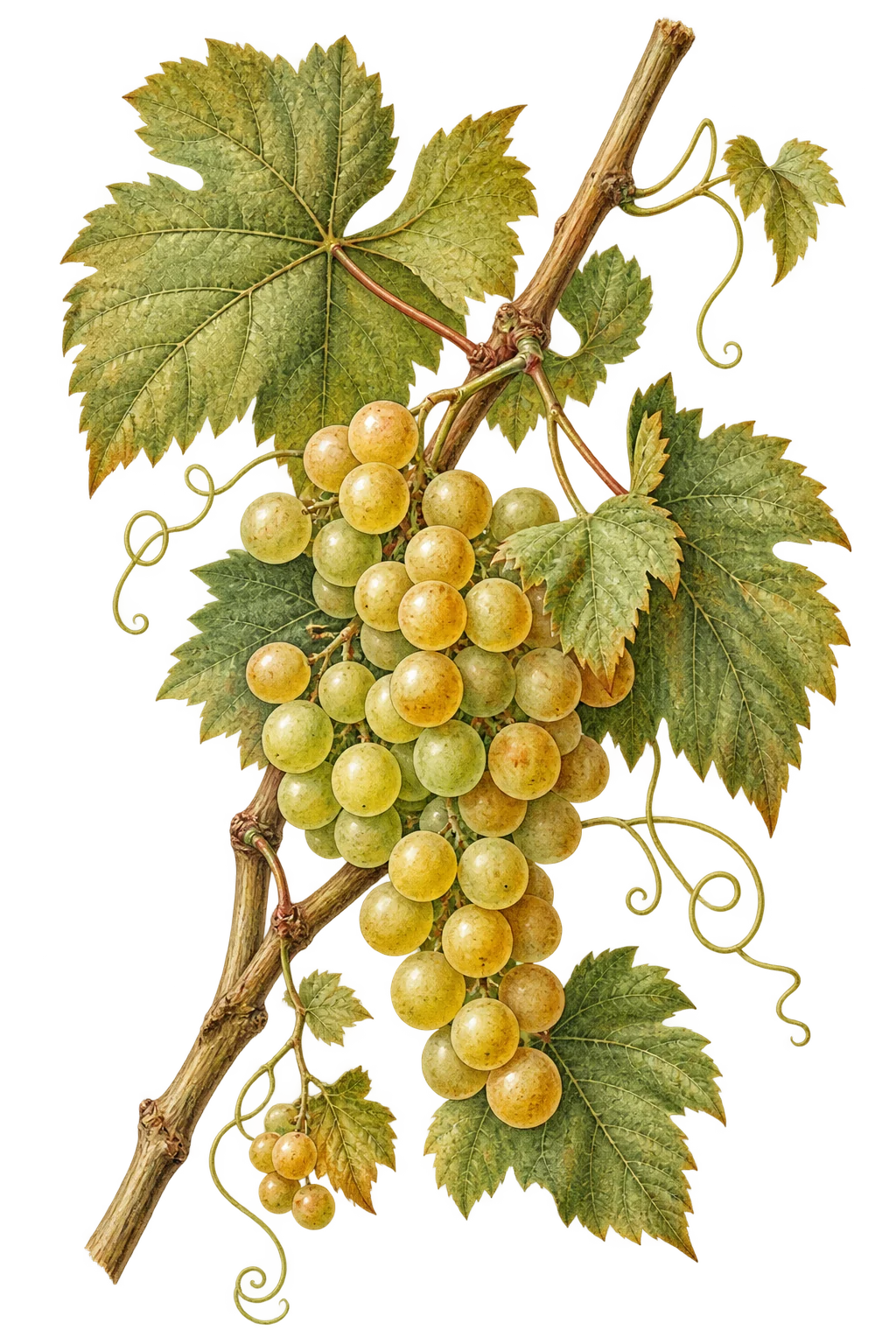
A quiet grape.
An extraordinary range.
A sensory portrait
Apple, peach and melon. The expression changes with the vineyard and the vintage.
Jasmine and citrus blossom can sit beside a delicate herbal character.
Selected mature examples develop honeyed, nutty and more complex notes.
A guide to possible expressions, not a fixed tasting profile for every wine.
Behind the character
Place, vine age and the choices of the grower and winemaker all matter.
Savatiano is the single most important grape variety in Attiki and overall, the most planted variety in the Greek vineyard. It meets its finest expression in the low-yielding, old bush-trained, vines found throughout the different wine-growing areas of the prefecture. Such wines are placed in the category of Greece’s best whites that easily relay the message of local terroir. These are wines that clearly and loudly speak of their origin. A new generation of young winemakers are leaving their mark by producing a new wave of such exciting styles under the different PGI designations of Attiki. Innovation, tradition, experimentation, research, investment, passion and knowledge are the driving forces behind the grape’s recent transformation.
Savatiano, can be found under many different synonyms in different regions: Lefki Kontoura, Aspri Dobraina, Sakeiko, Savathiano, Perahoritiko are just a few of them. It has large compact clusters, with medium-sized berries. It is very resistant to drought and fungal diseases and ripens relatively late, in early to mid-September, depending on the year and location of the vineyard.
Eastern Attiki boasts an impressive number of old bush-vines planted on poor limestone soils. The old roots go very deep, the yields are naturally restricted by conditions and the wines display excellent depth of fruit and mineral characteristics. These are dazzling, unique, authentic wines with excellent ageing potential. Aged Savatiano is not a recent novelty. Long before the late-release versions currently on the market, the first aged Savatiano was produced long ago in 1935, as told in the book 'Andreas Kambas’, The Patriarch of Mesogeia'. A pioneer of the style of bottle aging for 8 years prior to its release. A stunning 200,000 bottles were produced.
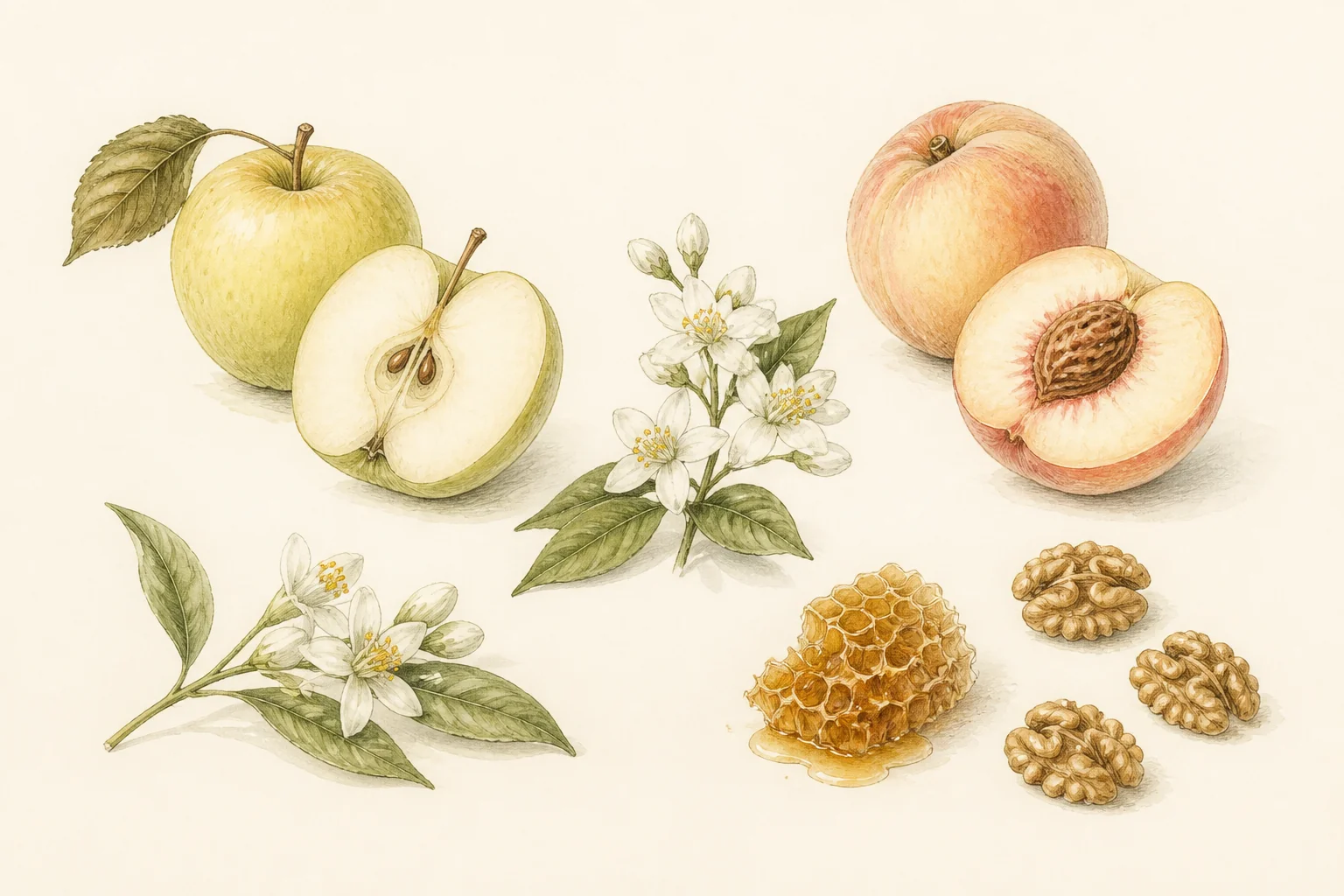
Savatiano produces wines with moderate fruity aromas, reminiscent of apples, peaches and tropical fruits, such as melon and banana. Quite often there are also hints of flowers such as jasmine and citrus blossoms and some herbal undertones. The palate, is medium-bodied, with moderate, yet balanced acidity and develops greater complexity after a few years of bottle aging. This holds true especially for those wines that are sourced from older, low-yielding vines. As some of the latest quality bottlings indicate, Savatiano can age gracefully for up to a decade or more, developing aromas of honey, toasted nuts and a petrol-like minerality. Upon reaching full maturation, these wines develop a delicious, rich and extremely complex character. Some people compare them to the style of an aged Semillon from Hunter valley, but with lower acidity levels.
At the table
The Savatiano field guide
Read the vineyard, follow the aromas, then find a style for your table.
A sensory notebook
Fruit. Blossom. A touch of honey. Familiar scents give us a language for describing what we find in the glass.
These are tasting references—not ingredients added to the wine.
01 / In the glass
A typical profile—not a measurement of every bottle. Site, vintage and winemaking all influence the result.
The first impression
Apple and peach, with melon and other tropical-fruit notes in some expressions. Jasmine, citrus blossom and delicate herbal undertones add another layer.
With time in bottle
Selected old-vine wines can develop honey, wax, toasted nuts and mineral notes. Ageing potential depends on the individual wine; ask the producer about a particular bottle.
02 / Sense of place
These are broad stylistic tendencies, not rules. The grower’s and winemaker’s decisions matter just as much.
03 / The style collection
Different expressions, connected by the same grape.
Apple, peach and an easy, lively character. A natural place to begin exploring the variety.
Selected low-yielding, old-vine wines offer depth and can develop beautifully in bottle.
A cellar-led expression that explores a different balance of fruit, texture and oak.
Savatiano meets pine resin: a distinctive aromatic expression with a place at the Greek table.
Roditis, Assyrtiko or Malagousia can bring another voice to the composition.
Two areas of experimentation, opening further possibilities for texture and expression.
04 / At the table
Think about texture, seasoning and the way a dish is cooked—not just its main ingredient.
Explore the Retsina pairing guideCo-financed by the European Union and Greece
